Home Blog

Cannabis Oil vs CBD Oil: What’s the Difference and Which One Is Right for You?

If you’ve been researching natural cannabis-based products, you’ve probably seen both cannabis oil and CBD oil mentioned frequently. Many people assume they are the same product.

They are not.

Although both come from the cannabis plant, they can affect the body in very different ways. Understanding the distinction is important before buying either one, especially if you want to avoid intoxication or if you are looking for specific support.

Let’s clarify the differences in simple terms.

What Is Cannabis Oil?

Cannabis oil generally refers to an extract made from cannabis plants that contain meaningful levels of THC (tetrahydrocannabinol).

THC is responsible for the psychoactive “high.” It binds to CB1 receptors in the brain’s endocannabinoid system, which is associated with mood, appetite, memory, and pain regulation. This interaction is what produces intoxication.

Because cannabis oil often contains THC, along with other plant compounds like CBD and terpenes, it may:

  • alter mood and perception
  • increase appetite
  • reduce nausea
  • help relieve certain types of pain

THC isn’t purely recreational. It has documented medical uses. Synthetic THC (dronabinol) has been approved for chemotherapy-related nausea, and THC/CBD combinations have shown benefits for multiple sclerosis spasticity.

However, cannabis oil can impair reaction time and cognitive performance, particularly at higher doses.

What Is CBD Oil?

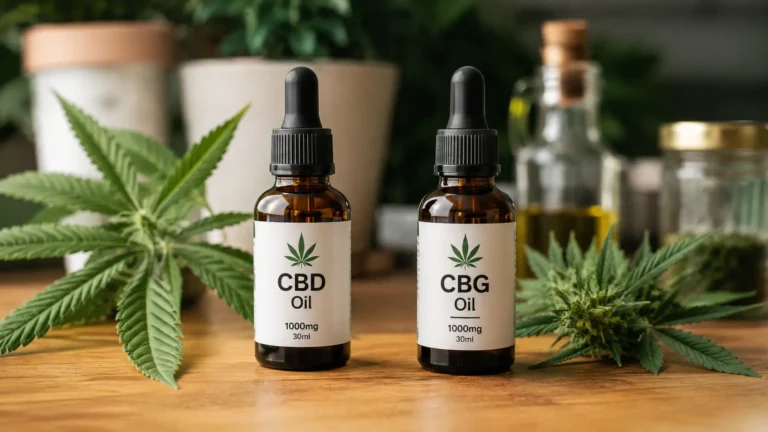
CBD oil contains cannabidiol (CBD), a different compound from the cannabis plant.

Unlike THC, CBD does not strongly bind to CB1 receptors and doesn’t produce intoxication.

Most CBD oil is extracted from hemp, a variety of Cannabis sativa L. that naturally contains very low levels of THC.

CBD oil is typically available as:

  • full-spectrum (contains small legal amounts of THC)
  • broad-spectrum (no detectable THC)
  • isolate (pure CBD only)

CBD has been studied for several potential therapeutic effects. Clinical research has supported its use in certain seizure disorders. Other studies suggest it may help with anxiety, inflammation, and sleep support.

CBD is generally well-tolerated and doesn’t impair cognitive function in the way THC can.

Appearance, Smell, and Taste

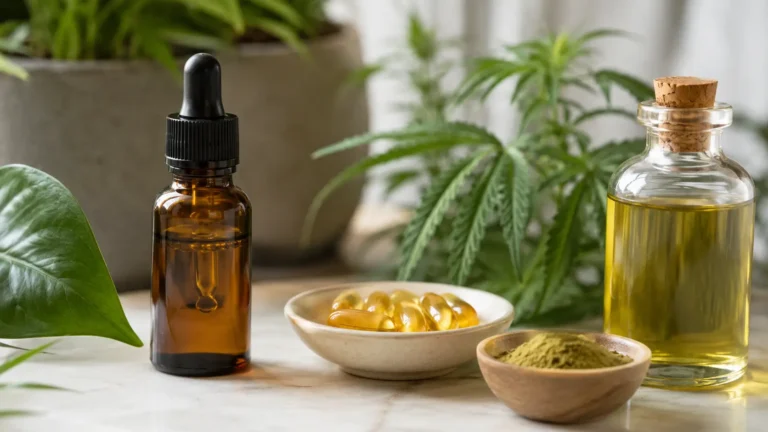
Cannabis oil and CBD oil can look almost identical. Both are usually amber or golden in color with a thick texture. Their smell and taste often reflect the natural plant compounds present, giving them an earthy or herbal aroma.

Because they look so similar, it’s not possible to visually distinguish them. The difference lies in their chemical composition.

The Main Differences Between Cannabis Oil and CBD Oil

1. THC Content

This is the defining difference.

Cannabis oil typically contains significant levels of THC, which may cause intoxication. CBD oil contains little to no THC, depending on the formulation.

THC activates CB1 receptors in the brain, while CBD interacts more indirectly with the endocannabinoid system.

2. Effects on the Body

Cannabis oil may change perception, mood, and coordination because of THC. Some people use it for appetite stimulation, nausea control, or pain management.

CBD oil doesn’t cause a high. Instead, it is commonly used for relaxation, anxiety support, and sleep improvement. Research also supports its anti-seizure effects in specific medical conditions.

3. Side Effects

Cannabis oil may cause dry mouth, red eyes, anxiety, short-term memory impairment, and increased heart rate, particularly at higher doses.

CBD oil side effects are usually milder and may include fatigue or digestive discomfort. CBD can also influence liver enzymes that metabolize medications, meaning it may interact with certain prescriptions.

4. Legal Status

In many regions, hemp-derived CBD oil containing only trace amounts of THC is legal for sale.

Cannabis oil with significant THC content is often regulated and may require a prescription. Laws vary widely from one country to another, so check local regulations before making any purchase.

5. Drug Testing Considerations

Most workplace drug tests look for THC metabolites, not CBD or other lesser-known cannabinoids. However, full-spectrum CBD oil may contain small amounts of THC. If a product is poorly manufactured and exceeds legal THC limits, it could potentially result in a positive test. Choosing third-party tested products with laboratory certificates helps reduce this risk.

Why Understanding the Difference Matters

Choosing the wrong product could lead to unwanted psychoactive effects, legal complications, or drug testing concerns.

If you want support without feeling high, CBD oil is typically the better option. If a healthcare provider recommends THC-based treatment under medical supervision, cannabis oil may be considered in regulated settings.

Because both oils come from the same plant family, confusion is common. But their effects are not interchangeable.

Conclusion

Cannabis oil and CBD oil are related but fundamentally different.

Cannabis oil usually contains significant THC and may cause intoxication. It can have therapeutic value but is often strictly regulated.

CBD oil focuses on cannabidiol, doesn’t produce a high, and may be used for wellness and specific medical conditions supported by research.

Understanding these distinctions helps ensure that the product you choose aligns with your health goals, legal environment, and personal comfort level.

Is Marijuana Legal in Dubai? UAE Cannabis Laws Explained

The short answer is “No”. Dubai and the wider United Arab Emirates ban marijuana (cannabis) under Federal Decree-Law No. 30 of 2021, the country’s main narcotics law. 

The law classifies natural and synthetic cannabis, including THC, as prohibited narcotic substances, which makes possession, use, buying or selling, cultivation, import or export, and trafficking criminal offenses

Although the law allows very limited medical or scientific use, only licensed institutions inside the UAE can access those exceptions, and tourists cannot rely on them.

Top Things to Remember Before Visiting Dubai

  • Dubai prohibits cannabis with no legal recreational or personal medical use, and UAE law allows authorities to impose fines, jail time, deportation, and entry bans for possession or use.
  • CBD and hemp products also carry legal risk because trace THC can lead to confiscation or prosecution, and the UAE doesn’t recognize foreign medical prescriptions.
  • Authorities enforce these rules strictly at airports, so the safest choice is to travel without any cannabis-, CBD-, or hemp-related products.

Overview of Cannabis Laws in Dubai

Dubai and the wider UAE ban cannabis, and authorities apply the rules equally to tourists and residents. Federal Decree-Law No. 30 of 2021 classifies cannabis (including THC, cannabis resin, and extracts) as a prohibited narcotic, so possession, use, buying or selling, import, export, or promotion can trigger criminal consequences. 

Although the law allows tightly controlled medical or scientific handling, only licensed institutions inside the UAE can access those exceptions.

In practice, travelers face the highest risk from products marketed as “CBD” or “THC-free.” If testing detects THC or another controlled cannabinoid compound, authorities can seize the product and take legal action. The UAE doesn’t treat foreign medical cannabis prescriptions as permission to carry or use cannabis, so traveling with vape carts, flower, edibles, tinctures, or “CBD” oils remains illegal, even if those items are legal and properly labeled at home.

Many people misunderstand one narrow entry-point rule: Cabinet Resolution No. 43 of 2024 sets out procedures for non-resident foreigners found at UAE ports of entry with small amounts within listed thresholds. In those limited situations, authorities may impose administrative fines that escalate with repeat offenses, along with deportation and entry bans, rather than treating the case like trafficking. This still counts as a serious incident: officials confiscate and destroy the substances, record the case, and apply standard criminal procedures under Decree-Law 30/2021 if quantities exceed thresholds or appear intended for others.

Also, the recent 2025 decrees don’t make cannabis safer for tourists either:

  • Federal Decree-Law No. 2 of 2025 centralizes enforcement under the National Drug Enforcement Authority (effective January 1, 2026) and strengthens tracking and oversight. 
  • Federal Decree-Law No. 24 of 2025 creates a carve-out for licensed industrial hemp (≤0.3% total THC) for specific regulated activities (not personal possession) and doesn’t protect travelers carrying hemp or CBD products. 
  • Federal Decree-Law No. 21 of 2025 tightens controls on veterinary products that may contain narcotic or psychotropic substances and offers no personal-use loopholes.

Safe takeaway: If you plan to visit Dubai, travel with zero cannabis, zero “CBD,” and zero hemp-derived products, including vapes, oils, gummies, cosmetics, and pet or veterinary items that could contain controlled ingredients. 

Laws and procedures can change, so check the latest official guidance before you fly. You can find the full list of the UAE’s legislation related to cannabis and other narcotics and psychotropic substances here.

Medical Cannabis Laws in Dubai

You won’t find any medical marijuana system in Dubai or in the greater UAE, as there isn’t a patient access system comparable to those in European countries, Canada, or parts of the United States.

Cannabis and THC-based substances are classified as prohibited narcotic and psychotropic drugs, which means individuals cannot legally possess, use, or import them for personal medical treatment.

The law allows only very limited medical or scientific use of controlled substances, and these permissions apply exclusively to government bodies, licensed hospitals, pharmacies, or approved research institutions operating inside the UAE.

Individual patients cannot register as medical cannabis users, and UAE doctors cannot prescribe cannabis-based treatments for personal use under the current framework.

Furthermore, the UAE does not recognize foreign medical cannabis prescriptions, and bringing medical cannabis, THC oils, vape cartridges, edibles, or similar products into the country remains illegal.

Buying Cannabis in Dubai: What the Law Says

There is no legal way to purchase cannabis anywhere in Dubai, as both natural and synthetic cannabis and cannabinoids are prohibited narcotics.

Any buying or selling that does occur happens entirely on the illegal market and is actively targeted by law enforcement. Purchasing cannabis, attempting to source it through social media or messaging apps, or accepting it from another person can all expose you to serious criminal charges, including arrest, fines, imprisonment, deportation, and entry bans. 

The law makes no exception for tourists, and visitors face the same criminal liability as residents if caught.

The creation of the National Drug Enforcement Authority (NDEA) strengthens centralized enforcement and coordination. Because all cannabis transactions are illegal, prices mentioned online are speculative and often tied to enforcement cases or scams. Authorities treat both buyers and sellers as offenders, regardless of quantity or intent.

Where Cannabis Use Is Prohibited

You can’t legally use cannabis anywhere in Dubai: not in public and not in private. Under Federal Decree-Law No. 30 of 2021, cannabis (including resin, extracts, and THC) is a prohibited narcotic, which means its use, possession, and handling are illegal across the UAE, including Dubai.

Even though cannabis is illegal, enforcement at entry points has a specific rule for non-resident foreigners. Under Cabinet Resolution No. 43 of 2024, if a traveler is found entering the UAE with certain narcotic/psychotropic substances within specified threshold limits, authorities may apply an administrative process that can include:

  • Confiscation/destruction, and
  • Fines, with escalating consequences for repeat cases, including deportation and entry bans.

This doesn’t mean cannabis is legal and doesn’t protect you from criminal exposure in other situations. It’s simply a border-handling framework for limited scenarios.

If you’re visiting Dubai, the safest choice is simple: don’t use cannabis, don’t try to buy it, and don’t travel with any cannabis/THC/CBD items (including leftovers, vape cartridges, edibles, tinctures, or contaminated packaging).

Traveling to Dubai With Cannabis or CBD Products

Bringing cannabis into or out of Dubai is illegal under Federal Decree-Law No. 30 of 2021, which classifies natural and synthetic cannabis, cannabis resin, extracts, and THC as Schedule 1 narcotics. This ban applies regardless of quantity, form, or whether the product was legally obtained in another country. 

Marijuana flower, hash, edibles, vape cartridges, oils, and products marketed as CBD are all prohibited if they contain any detectable THC. Foreign medical cannabis prescriptions are not recognized, and there is no personal-use or medical exemption for travelers.

At UAE entry points, airport security uses advanced screening and testing methods, and suspected substances may be chemically analyzed. Even trace amounts (such as residue in luggage, containers, or personal belongings) can result in confiscation and legal consequences

Non-resident foreigners found at ports of entry with small quantities within specific weight thresholds may face administrative fines rather than immediate criminal prosecution for a first offense. However, the substances are still seized and destroyed. Repeat cases can lead to deportation, temporary or permanent entry bans, and higher fines, and larger quantities or intent to supply trigger full criminal penalties.

It is also important to note that Dubai has strengthened enforcement by centralizing drug control under the National Drug Enforcement Authority (NDEA), increasing coordination at borders and within the country. The safest and only lawful option is to enter Dubai completely free of any cannabis-related products.

Law Enforcement, Penalties, and Legal Risks

Law enforcement in Dubai is strict and highly structured. There is no legal “tolerance” for recreational use. Trying to bribe, pressure, or “negotiate” with an officer can create separate and more serious criminal problems on top of any drug allegation.

Since the establishment of the NDEA, enforcement has become more centralized and coordinated across airports, customs, police, and prosecutors. In practical terms, this increases the likelihood that cannabis-related issues flagged at entry points or during inspections move quickly through the system, with fewer gaps between agencies.

If cannabis, THC, or a controlled cannabinoid is involved, the legal and immigration risks are concrete and measurable:

If a non-resident foreigner is caught at a port of entry with cannabis or another listed narcotic within the specified weight thresholds and for personal use:

First offense

  • Fine of AED 5,000–20,000 (~USD 1,360–5,440; ~EUR 1,150–4,610)
  • Substance confiscated and destroyed
  • Entry is allowed only after the fine is paid

Second offense

  • Fine of AED 10,000–30,000 (~USD 2,720–8,170; ~EUR 2,300–6,920)
  • Deportation
  • 3-year entry ban

Third offense

  • Fine of AED 50,000–100,000 (~USD 13,610–27,220; ~EUR 11,530–23,070)
  • Permanent entry ban

If the quantity exceeds the listed thresholds, involves multiple substances above limits, or appears intended for third parties, the case can escalate from an administrative fine to a criminal prosecution:

  • Personal use or possession:
  • Minimum 3 months’ imprisonment or
  • Fine from AED 20,000 up to AED 100,000 (~USD 5,440-27,220; ~EUR 4,610-23,070)
  • Penalties increase for repeat offenses

Trafficking, distribution, or promotion

  • Long prison sentences (years, not months)
  • Severe cases can reach life imprisonment or capital punishment under Schedule 10, depending on intent and aggravating factors

Foreign nationals

  • Courts may order deportation after sentence completion
  • Entry bans can follow criminal convictions

CBD, hemp, and “THC-free” products

Labeling does not protect you. If testing detects THC or another controlled cannabinoid:

  • Authorities can seize the product and proceed under Decree-Law No. 30 of 2021
  • Foreign medical cannabis prescriptions are not recognized
  • Federal Decree-Law No. 24 of 2025 applies only to licensed industrial hemp activities (≤0.3% THC) for approved entities
  • Veterinary products containing controlled substances also fall under strict regulation, with no personal import exception

Scams and enforcement traps

Tourists face additional risk from scams and stings. Offers of “safe delivery,” “tourist-friendly weed,” or “connections” often lead to extortion or police involvement. Both buyers and sellers face criminal liability, regardless of quantity.

Cultural Attitudes Toward Cannabis in Dubai

Dubai residents widely view cannabis use as incompatible with local laws, cultural norms, and public morality. In the UAE, people place strong emphasis on respect for the law, public order, and religious and social values. They commonly associate drugs (including cannabis) with criminal behavior rather than personal choice or medical treatment.

As a result, people rarely ignore cannabis-related behavior, even in private settings. In shared environments such as hotels, residential buildings, taxis, or events, individuals may report suspected drug use to authorities instead of overlooking it.

Anyone involved in cannabis-related activity operates discreetly and illegally, and seeking out or participating in these networks exposes visitors to serious legal and immigration risks. For visitors, discretion doesn’t offer protection. 

The safest way to avoid problems while visiting Dubai is to respect local attitudes and steer clear of all cannabis-related behavior.

Practical Safety Tips for Visitors

There are no safe, accepted, or low-risk ways to ask for cannabis in Dubai. Cannabis and THC are prohibited, and attempting to ask about buying or using them (whether in person, through social media, messaging apps, or online forums) can attract unwanted attention. Law enforcement does use undercover methods and informants, and casual inquiries can escalate into questioning, investigation, or arrest. There is also no local slang that offers protection or discretion in this context.

Dubai has no cannabis-related events, festivals, clubs, or “weed-friendly” spaces. Any claims suggesting otherwise are misleading and often tied to scams, stings, or extortion attempts. The safest and most responsible approach is simple: avoid cannabis entirely while in Dubai. Don’t rely on online anecdotes, private messages, or word-of-mouth claims suggesting tolerance or “safe options.”  

Final Advice for Cannabis Users Visiting Dubai

Dubai enforces some of the world’s strictest cannabis laws, and despite recent legal updates, cannabis remains illegal for personal use in all forms. 

Natural and synthetic cannabis are prohibited narcotics, and newer laws and resolutions have refined enforcement and procedures rather than legalized use. For example, while a specific framework for first-time, low-quantity cases involving non-resident travelers at entry points has been introduced, it doesn’t mean cannabis is legal to bring, use, or possess in the UAE.

Other recent laws can be misleading when taken out of context, so be wary of word-of-mouth or online anecdotes. Laws and enforcement practices can change, so it’s always wise to check the latest official government or legal sources before traveling. Do not rely on headlines, social media posts, or experiences from other countries to judge what is acceptable in Dubai.

The safest and most responsible choice is clear: do not carry, buy, or use cannabis or cannabis-related products of any kind, including items marketed as CBD. Respecting local laws and cultural expectations is the best way to stay safe and enjoy a trouble-free visit to Dubai.

Powdery Mildew in Cannabis Plants: Causes, Prevention, and Treatment

0

Powdery mildew is one of the most frustrating problems cannabis growers face. It can show up suddenly, spread fast, and ruin weeks or months of work if it isn’t handled early. The good news is that powdery mildew is manageable. With the right growing conditions and a quick response, it’s possible to stop an outbreak and reduce the risk of it coming back.

What Is Powdery Mildew?

It’s a fungal disease caused by several species of fungi that thrive on living plant tissue. In cannabis, it usually appears as a white or light gray powder on leaves, stems, and sometimes flowers.

Early signs include:

  • White, dusty spots on leaves
  • Leaves curling upward or twisting
  • Slower growth and reduced vigor

As the infection progresses, the fungus feeds on the plant’s surface cells, weakening the plant and interfering with photosynthesis. If left untreated, powdery mildew can severely reduce yields, damage buds, and in extreme cases, kill the plant altogether.

One of the reasons powdery mildew is so persistent is that its spores are highly resilient. They can survive on surfaces, tools, and in grow spaces for long periods, waiting for the right conditions to return.

What Causes Powdery Mildew in Cannabis?

Powdery mildew doesn’t appear randomly. It usually develops when plant health and environmental conditions fall out of balance.

Environmental factors

The most common triggers are:

  • High humidity
  • Poor airflow or stagnant air
  • Warm temperatures combined with moisture
  • Crowded plant canopies

When air doesn’t move properly around leaves, pockets of humid air form. These microclimates create the ideal conditions for the fungus spores to germinate and spread.

Nutrient imbalances

Plant nutrition also plays a major role in disease resistance. Cannabis plants with weakened structural tissue are more vulnerable to fungal infections.

Common issues include:

  • Low calcium (Ca) and silicon (Si), which are important for strong cell walls
  • Excess nitrogen (N) can produce soft, lush growth that fungi can colonize more easily

A healthy feeding program helps plants defend themselves naturally against pathogens like powdery mildew.

How to Treat Powdery Mildew

If you spot powdery mildew, acting quickly is critical. The goal is to reduce existing spores and make the environment less welcoming for the fungus.

1. Clean affected areas

Light infections can sometimes be managed by wiping affected leaves with clean cloths or paper towels dipped in water adjusted to a high pH (around 8.0–8.2). A higher pH temporarily disrupts the fungus’s ability to survive on leaf surfaces. Dispose of all used materials immediately to prevent the spread of spores.

2. Prune damaged foliage

Remove heavily infected, yellowing, or dying leaves using clean, sterilized pruning tools. This helps prevent further spread and allows the plant to focus energy on healthy growth. Never leave infected plant material in the grow space.

3. Avoid transplanting

Transplanting an infected plant can spread spores to new soil and nearby plants. Instead, top the soil with fresh compost or clean growing medium to reduce splash-back when watering.

4. Apply a suitable treatment

Organic options such as neem oil, potassium bicarbonate solutions, or plant-based fungicides can help control mildew when used correctly. Avoid spraying buds, especially late in flowering, and always follow product instructions carefully.

How to Prevent Powdery Mildew in Future Grows

Prevention is far easier than treatment. Most mildew problems can be avoided by maintaining stable, well-controlled conditions.

Control humidity

Using a hygrometer, aim for these general ranges:

  • Seedlings: 65–80%
  • Vegetative stage: 60–70%
  • Flowering stage: 40–55%
  • Final weeks before harvest: 35–45%

Improve airflow

Good air circulation prevents moisture from settling on leaves. Use oscillating fans and proper ventilation to keep air moving across and through the canopy.

Space plants properly

Avoid overcrowding. Leaves touching each other trap humidity and make it easy for spores to spread from plant to plant.

Maintain plant health

Balanced nutrition strengthens plant defenses. Avoid overfeeding nitrogen and ensure adequate calcium and micronutrient availability.

Powdery mildew usually appears when multiple stress factors combine, not from a single mistake.

Other Cannabis Molds to Watch Out For

Powdery mildew isn’t the only fungal threat cannabis growers face.

Bud rot (Botrytis)

Bud rot develops inside dense flowers and often goes unnoticed until damage is advanced. Keeping humidity below 50% during flowering and maintaining airflow is key to prevention.

cannabis-botrytis-source-dosatron
Image credits: Dosatron

Fusarium

This soil-borne fungus attacks roots and vascular tissue, leading to wilting and plant death. Once present, affected plants must be removed, and contaminated soil should not be reused for several years.

fusarium-source-cornell-edu
Image credits: Cornell University

Sooty molds

These molds grow on the sugary residues left by pests such as aphids. While they don’t directly infect plant tissue, they block light and reduce photosynthesis.

inner-sooth-mold-royal-queen-seeds
Image credits: Royal Queen Seeds

Pythium (root rot)

Often caused by overwatering, Pythium attacks roots and young seedlings. Ensure the soil fully dries between watering, as this helps prevent it.

pythium-utah-state-university
Image credits: Utah State University

Final Thoughts

Powdery mildew is a common challenge in cannabis cultivation, but it’s rarely unbeatable. Understanding why it appears, spotting it early, and creating a balanced grow environment can make a significant difference. Healthy plants, good airflow, and controlled humidity remain the most effective tools growers have to keep fungal problems under control.

Thinking About Cannabis Coffee? Here’s What You Should Know

0

Cannabis coffee sits right at the crossroads of stimulation and relaxation. On one side, coffee is known for boosting alertness and focus. On the other hand, cannabis is often associated with calm, slowed thinking and body relaxation. Putting them together might sound contradictory, but many people enjoy the mix, and some research suggests the interaction may be stronger than expected.

Before getting into the recipe, it helps to understand why this pairing is still debated.

Cannabis and Coffee: What Does the Research Say?

Caffeine and THC both affect the brain’s dopamine system, which plays a role in mood, motivation, and reward. Some animal studies suggest that caffeine may amplify the effects of THC rather than cancel them out.

A frequently cited animal study published in Behavioural Pharmacology found that caffeine enhanced the effects of low doses of THC in squirrel monkeys, making the psychoactive effects more noticeable even at smaller amounts. While this doesn’t translate directly to humans, it suggests the combination can be more potent than cannabis alone.

Other researchers urge caution. Medical experts interviewed by Live Science have pointed out that combining caffeine and THC may worsen short-term memory or increase anxiety in some people, especially at higher doses. Because human research is still limited, the effects vary widely depending on tolerance, dosage, and individual sensitivity.

In short, cannabis coffee isn’t inherently good or bad, but it does deserve respect.

Is Cannabis Coffee a Good Idea?

For some people, cannabis coffee fits neatly into a slow morning routine or a creative afternoon. For others, it can feel overstimulating or mentally foggy. The key difference usually comes down to dose.

Edibles and infused drinks often feel stronger and last longer than smoking or vaping cannabis. When caffeine is added to the mix, the effects can feel more intense or arrive faster than expected. That’s why starting with small amounts is essential, especially if you’re new to infused beverages.

If you’re comfortable with cannabis edibles and understand your tolerance, cannabis coffee can be an interesting option.

How to Make Cannabis-Infused Coffee at Home

Important note: This recipe uses an estimated amount of cannabis. Edibles can affect people very differently, so it’s wise to start low and adjust over time.

Ingredients

  • 3 cups of water
  • Freshly brewed coffee (your preferred roast)
  • 2 tablespoons butter or coconut oil
  • ½ gram of dried cannabis flower
  • Optional: honey, vanilla extract, or cinnamon

Preparation

  1. Grind the cannabis as finely as possible. Smaller pieces expose more surface area, which helps cannabinoids transfer into the fat.
  2. Bring the water to a gentle boil in a saucepan.
  3. Add the butter or coconut oil to the water. Cannabinoids like THC and CBD are fat-soluble, so this step is essential.
  4. Add the ground cannabis to the pan and reduce the heat slightly.
  5. Let the mixture simmer for about 40 minutes, stirring occasionally. Avoid letting it boil aggressively.
  6. Strain the liquid using a fine sieve or cheesecloth into a clean container, removing all plant material.
  7. Use this infused liquid as the base for your coffee.
  8. Blend the coffee briefly to prevent the fat from separating at the top.
  9. Sweeten or flavor to taste.

Sip slowly and wait before considering more.

Final Thoughts on Cannabis Coffee

Cannabis coffee blends two widely used psychoactive substances into a single drink, and that combination can feel stronger than expected. While early research suggests caffeine may amplify THC’s effects, human studies are still limited, and individual reactions vary.

If you choose to try it, moderation and patience matter more than anything else. A small amount can go a long way.

Is Marijuana Legal in India? Laws and Travel Rules Explained

Marijuana is partially legal in India, depending on the form and purpose of use. Recreational cannabis remains illegal nationwide, but medical cannabis is permitted under specific regulations, and certain traditional uses are allowed at the state level.

Under the Narcotic Drugs and Psychotropic Substances (NDPS) Act of 1985, the cultivation, possession, sale, purchase, and consumption of cannabis resin (hash) and flowering tops (ganja) are prohibited and can result in heavy fines or prison sentences of up to 20 years. However, seeds and leaves, commonly used to prepare bhang, are excluded from this ban and may be legally consumed in some states during religious festivals. 

In addition, several states, including Uttarakhand, Gujarat, Madhya Pradesh, Uttar Pradesh, and Jammu and Kashmir, allow licensed cultivation of cannabis for medicinal and industrial purposes, overseen in part by India’s traditional medicine authority, the Ministry of Ayurveda, Unani, Siddha, and Homeopathy (AYUSH).

Top things to remember

  • Cannabis is illegal in India at the federal level, with strict penalties under the NDPS Act for possession, transport, sale, or consumption of flowers (ganja) and resin (charas), applying equally to locals and tourists.
  • Only limited exceptions exist, mainly for bhang (leaves and seeds) in certain states and festivals, and for tightly regulated medical, industrial, or research use under state and national oversight.
  • Enforcement is serious, and penalties are severe, so travelers should stay informed, avoid assumptions about cultural tolerance, and always follow the latest local and national regulations.

India’s Legal Framework for Cannabis Use

Cannabis in India is illegal at the federal level, with limited and tightly regulated exceptions. 

The Narcotic Drugs and Psychotropic Substances Act, 1985, criminalizes the possession, sale, purchase, cultivation, and consumption of cannabis flowers (ganja) and resin (charas). Possession of a “small quantity” can still lead to up to six months in prison, a fine of ₹10,000, or both, while larger amounts carry far harsher penalties. There is no formal decriminalization framework, although enforcement varies by state.

A key legal distinction exists between plant parts. Products made from leaves and seeds, such as bhang, fall outside the NDPS definition of cannabis and may be legal or restricted depending on state law. 

Products with different cannabinoid concentrations also fall under a gray area, depending on the state. THC-dominant flowers and resin are illegal, while CBD products derived from leaves or industrial hemp may be permitted if they comply with state rules and traditional medicine regulations. 

Importantly, cannabis laws apply equally to residents and tourists, with no legal leniency for visitors under India’s cannabis travel guide considerations.

Medical Cannabis Use and Regulation in India

Medical cannabis is partially legal in India, but only within a narrow and highly regulated framework. Most legal medical cannabis products are formulated under Ayurvedic or traditional medicine systems and overseen by India’s traditional medicine authority, the Ministry of AYUSH. 

Patients generally qualify through a consultation with a licensed practitioner, often an Ayurveda doctor, who may prescribe cannabis-based oils or tablets for conditions such as chronic pain, epilepsy, or palliative care.

Tourists cannot legally obtain smoked or high-THC cannabis, and medical products are typically dispensed only after in-country consultations and prescriptions, making access impractical for short-term visitors. 

Research and clinical development continue under the auspices of institutions such as the Indian Institute of Integrative Medicine (IIIM), but recreational use remains illegal nationwide.

Buying Cannabis in India: What Travelers Should Know

Buying cannabis in India is not legal through regulated retail channels. There are no licensed dispensaries or pharmacies selling recreational cannabis, and products such as ganja (flowers) and charas (resin) are prohibited. 

Outside of narrow medical or research frameworks, cannabis is therefore only available on the illicit market, which carries significant legal risk. 

Tourists are not exempt from these laws and face the same penalties as residents if caught purchasing or possessing illegal cannabis.

The only partial exception involves bhang, made from cannabis leaves, which may be sold by state-authorized vendors in certain regions and during specific festivals, depending on local law.

Where Cannabis Use Is Permitted and Prohibited in India

Public consumption of cannabis flowers or resin is illegal nationwide and can result in arrest. Smoking or consuming cannabis in streets, parks, religious sites, or other public spaces is strictly prohibited. This also applies to private accommodations, including hotels, guesthouses, and Airbnbs, where cannabis use is not legally permitted even with the property owner’s consent.

The only notable exception involves bhang, which is made from cannabis leaves and seeds and may be consumed in certain states during festivals such as Holi, usually through licensed vendors. Even then, rules vary by state. Transporting cannabis flowers, resin, or concentrates is illegal, and carrying them even without intent to sell can lead to serious penalties.

Bringing Cannabis Across Indian Borders: What Travelers Need to Know

Importing, exporting, or transiting cannabis through Indian borders is a serious criminal offense. Even a small quantity can result in up to 6 months’ imprisonment, a fine of ₹10,000, or both. At the same time, larger amounts may lead to sentences of up to 20 years’ imprisonment and substantial fines. 

There are no exemptions for medical cannabis, foreign prescriptions, or personal use.

Airport and border controls in India are strict, with customs authorities empowered to conduct searches, seize prohibited substances, and initiate criminal proceedings. If cannabis is discovered at customs, travelers can expect immediate detention, questioning, and potential arrest, followed by formal charges. 

Bringing weed into or out of India is illegal for both residents and tourists, and penalties are severe even for first-time offenders.

Law Enforcement and Legal Risks Around Cannabis in India

Possession penalties depend on quantity. For small amounts, police can impose up to 6 months of imprisonment, a fine of ₹10,000, or both. 

Quantities above “small” but below “commercial” carry penalties of up to 10 years in prison and fines of up to ₹100,000

Commercial quantities trigger the harshest response: 10 to 20 years of rigorous imprisonment and fines ranging from ₹100,000 to ₹200,000. For reference, ganja is classified as a small quantity at 1 kg and commercial quantity at 20 kg. In comparison, charas/hashish becomes commercial at 1 kg.

Arrest risk is realistic, including for tourists, particularly during street checks, traffic stops, or raids. 

Scams are also common: illegal sellers may threaten to involve the police to extract cash, knowing the legal stakes are high.

Cultural Views on Cannabis in India

Cultural attitudes toward cannabis in India are historically tolerant but socially cautious

Cannabis has been used on the subcontinent for centuries, particularly in the form of bhang, which is consumed during religious festivals such as Holi and Maha Shivaratri and offered as prasad in some Hindu traditions. 

Certain religious and cultural groups, including Hindu ascetics, Sufi practitioners, and Sikh Nihang communities, have historically viewed cannabis as having spiritual or ritual significance. In these contexts, use may attract little social judgment.

Outside of religious settings, however, cannabis use is not socially normalized. Smoking ganja or charas is generally frowned upon, especially in urban, professional, or family-oriented environments, and public use can draw negative attention. 

While surveys suggest that tens of millions of Indians have used cannabis at least once, most consumption occurs privately. 

There is no visible, organized cannabis scene, as legal risks keep any community discreet and informal.

Practical Local Insights for Cannabis-Curious Travelers

In everyday language, cannabis in India is commonly referred to by traditional terms rather than modern slang

Ganja usually refers to dried flowers, charas to resin, and bhang to preparations made from leaves and seeds. These words are widely understood culturally, but asking for ganja or charas directly can attract legal trouble, especially as both are illegal under national law. 

In contrast, bhang is openly referenced during specific religious festivals and in states where its sale is licensed.

There are no officially weed-friendly events, venues, or accommodations in India. Festivals like Holi or Maha Shivaratri are sometimes associated with bhang consumption, but this occurs within tightly defined cultural and regional boundaries.

Important Legal Notice for Cannabis Travelers in India

Cannabis laws in India are strict, complex, and subject to change, often with differences at the state level. 

Travelers should always check the most recent local and national regulations before arriving, as enforcement practices and interpretations of the law can shift with little public notice. 

What may appear culturally tolerated in certain settings does not override federal legislation, and relying on outdated or informal advice can lead to serious legal consequences.

Anyone using a cannabis travel guide should approach India with caution, discretion, and respect for local laws and customs. Staying informed, following official guidance, and prioritizing personal safety are essential when traveling in a country with strict cannabis regulations.

Smoking Weed & Throat Irritation: How to Solve It

A sore throat after smoking weed is a common complaint among cannabis users. While it is usually temporary, the irritation can be uncomfortable and, in some cases, persistent. Understanding why cannabis smoke affects the throat, and what you can do to reduce or avoid that irritation, can make a real difference to both comfort and long-term respiratory health.

Why Smoking Weed Can Cause a Sore Throat

Smoking cannabis exposes the throat and upper airways to several irritants at once. These factors often work together, which explains why soreness can appear quickly after a session:

Heat and airway irritation

Inhaling hot smoke can inflame the sensitive lining of the throat. Any form of smoke, whether from tobacco or cannabis, can irritate respiratory tissues and contribute to inflammation.

Dryness caused by THC

THC is known to reduce saliva production, leading to dry mouth. This dryness does not stop at the tongue; it can extend into the throat and nasal passages. Reduced moisture leaves tissues more vulnerable to irritation and soreness.

Combustion byproducts

Cannabis smoke contains tar, fine particles, and other combustion byproducts similar to those found in tobacco smoke. These substances can cling to the throat lining and worsen irritation, especially with frequent smoking.

Frequency and smoking method

How often and how you smoke matters. Joints and blunts tend to produce hotter, less filtered smoke. Pipes and bongs may cool smoke slightly, but they do not remove all irritants. Repeated exposure over short periods increases the likelihood of soreness.

Immediate Ways to Soothe a Sore Throat After Smoking

If your throat already feels irritated, several simple steps can help reduce discomfort and support recovery:

Stay well hydrated

Hydration is one of the most effective remedies. Drinking water before, during, and after smoking helps keep the throat moist. Warm beverages can be particularly soothing, especially herbal teas.

Honey is often added to tea for good reason. Research indicates that honey can coat the throat, helping reduce irritation and coughing.

Use steam or a humidifier

Dry air can worsen throat discomfort, which is why using a humidifier is recommended. Breathing in steam from a hot shower also adds moisture to the airways and may ease dryness. This approach is commonly recommended in general respiratory care guidance.

Gargle with salt water

Saltwater gargles can help reduce inflammation and flush out irritants. Dissolve half a teaspoon of salt in a glass of warm water. You should gargle the water for 20-30 seconds, up to several times a day.

Throat lozenges and sprays

Over-the-counter lozenges or sprays can provide short-term relief by stimulating saliva production or lightly numbing the throat. These are widely recommended for the management of sore throat.

Preventing Throat Irritation in the Future

Reducing the frequency of irritation is just as important as treating it once it starts.

Moderate smoking frequency

Giving your throat time to recover between sessions lowers the risk of chronic irritation. Persistent soreness is often linked to repeated exposure without adequate recovery time.

Consider alternative consumption methods

Switching away from smoking can significantly reduce throat irritation. There are different ways to consume cannabis that may offer a smoother experience and prevent additional throat issues:

  • Vaporizing: Vaporizers heat cannabis without burning it, producing vapor rather than smoke. This reduces exposure to tar and combustion byproducts.
  • Edibles or tinctures: These avoid inhalation altogether. Effects take longer to appear and can be stronger, so careful dosing is essential.

Maintain overall throat health

Simple habits help protect the throat over time:

  • Drink enough fluids daily.
  • Limit alcohol, which can dry out tissues.
  • Avoid mixing cannabis with tobacco.
  • Use a humidifier in dry environments.

Signs of More Serious Throat Problems

Most sore throats from smoking weed resolve within 24 to 72 hours. However, if the symptoms last longer or keep getting worse, it might indicate a more serious issue.

When to seek medical advice

Consult a healthcare professional if you experience:

  • Persistent throat pain that lasts longer than a week
  • Trouble swallowing or breathing
  • Chronic coughing or hoarseness
  • A constant lump-like sensation in the throat

Ongoing respiratory symptoms in smokers of any substance should not be ignored, as they may signal chronic inflammation or infection.

Can Your Throat Heal After Smoking-Related Irritation?

In many cases, yes. The throat has a strong ability to heal once irritation is reduced or removed. Stopping or significantly reducing smoking, staying hydrated, and using soothing remedies often leads to full recovery. However, repeated irritation over long periods can contribute to chronic symptoms, which is why prevention matters.

Final Thoughts

A sore throat from smoking weed is usually the result of heat, dryness, and smoke-related irritants. While it is common, it is not inevitable. Staying hydrated, choosing gentler consumption methods, and giving your throat time to recover can greatly reduce discomfort. If irritation becomes frequent, taking a break from smoking and seeking medical advice is the safest path forward.

Is Marijuana Legal in Scotland? Cannabis Laws Explained

Scotland doesn’t allow recreational marijuana. UK law classifies cannabis as a Class B drug, which means the law prohibits possession, cultivation, and sale without a valid prescription. The UK legalized medical cannabis in 2018, but only specialist doctors can prescribe it, and access remains limited.

Key Takeaways on Cannabis Laws in Scotland

  • Scotland prohibits recreational cannabis, and UK law allows police to issue warnings, fines, or criminal charges for possession, purchase, or transport.
  • The UK permits medical cannabis only under strict conditions, limiting access to prescriptions from specialist doctors and offering no realistic option for tourists.
  • Scotland doesn’t support cannabis tourism, and authorities enforce the same laws for residents and visitors, which makes caution and legal awareness essential when traveling.

How Cannabis Is Regulated in Scotland

Scotland treats cannabis as illegal, not decriminalized, and the law doesn’t tolerate its recreational use. As part of the United Kingdom, Scotland enforces the Misuse of Drugs Act 1971, which classifies cannabis as Class B

Police can issue a warning for small amounts, impose fines, or pursue prison sentences of up to 5 years for possession in severe cases. Authorities impose far harsher penalties for supply, cultivation, or trafficking, including long prison terms and unlimited fines.

The law clearly separates THC and CBD. THC-containing cannabis remains illegal without a medical prescription. At the same time, CBD products are legal only if they meet strict standards, including very low THC levels (less than 1mg of THC, THCV, and CBN in the final preparation). These rules apply equally to residents and tourists, so anyone using a cannabis travel guide or considering cannabis tourism should expect the same enforcement regardless of nationality.

Medical Cannabis Rules and Access in Scotland

Scotland allows medical cannabis, but UK law strictly limits and regulates access. Since November 2018, specialist doctors in the United Kingdom can prescribe cannabis-based medicines for specific conditions, including severe epilepsy, chemotherapy-related nausea, and multiple sclerosis. To qualify, a patient must have a diagnosed condition, demonstrate that standard treatments have failed, and undergo assessment by a specialist consultant, most often through a private clinic rather than the NHS. General practitioners cannot start medical cannabis treatment on their own.

For anyone researching cannabis in Scotland through a cannabis travel guide, tourists should understand that access to medical cannabis is extremely limited. Only UK-registered specialists can issue prescriptions, and authorities do not recognize foreign medical cannabis prescriptions. As a result, medical cannabis doesn’t play a practical role in cannabis tourism in Scotland.

How Cannabis Is Obtained in Scotland

Outside tightly controlled medical prescriptions, the country has no lawful commercial cannabis market. When patients qualify, they obtain medical cannabis through licensed pharmacies or private clinics, and only with a valid prescription from a UK specialist. Recreational users can access cannabis only through the illegal market, including street-level sales and informal networks.

Tourists cannot legally buy cannabis for recreational or medical use, and UK authorities don’t recognize foreign medical prescriptions.

Rules Around Cannabis Use and Possession in Scotland

There are no legal places to consume cannabis in Scotland outside of minimal medical use, and even prescribed patients face restrictions. Public consumption is illegal and can lead to police action, including warnings, fines, or arrest. This applies to streets, parks, venues, and any other public space. For those researching cannabis in Scotland through a cannabis travel guide, it’s important to understand that visibility increases the risk of enforcement.

Private spaces such as hotels or Airbnbs also prohibit cannabis use unless a patient uses legally prescribed medication with the explicit permission of the property owner. Even then, most accommodations ban smoking altogether. UK law also prohibits transporting cannabis without a prescription, so individuals cannot legally carry it on their person or in a vehicle.

Bringing Cannabis Across Borders in Scotland

Travelers cannot legally bring cannabis into or out of Scotland, regardless of whether it was purchased legally elsewhere. As part of the United Kingdom, Scotland enforces strict border and customs controls on controlled substances, including cannabis. This applies to all forms, such as dried flower, oils, edibles, and vape products, even if intended for personal use.

If border officials find cannabis at customs, they can seize it and may question the traveler, issue fines, or pursue criminal charges depending on the quantity and circumstances. Personal or medical use doesn’t provide protection unless UK law authorises the product. Travelers who use medical cannabis and believe they need to bring it into the UK must contact the Drug and Firearms Licensing Unit (DFLU) in advance. The UK treats most cannabis products as Schedule 1 drugs, which require a specific licence, typically issued only for research or other exceptional purposes. Authorities don’t accept a Schengen Certificate for bringing Schedule 1 drugs into the UK.

How Scotland Enforces Cannabis Laws

Scottish law enforcement operates in a professional and rule-based manner, with no indication of systemic corruption in drug policing. Police don’t tolerate cannabis use, even though they may respond differently to minor possession cases. For very small amounts, officers may issue a warning rather than prosecute. Still, this decision remains discretionary and doesn’t constitute decriminalization. The risk of fines or arrest remains real, especially in public spaces, near transport hubs, or when authorities find repeated possession.

Visitors using a cannabis travel guide should also watch out for common scams. Some individuals target tourists by offering cannabis and falsely claiming that it is “legal” or “decriminalized,” which is incorrect. Engaging in these transactions increases both legal risk and the chance of exploitation.

Social Views on Cannabis in Scotland

People in Scotland hold mixed and cautious views about cannabis. Although many individuals use cannabis privately and discuss it more openly than in the past, society doesn’t broadly accept it, especially in public or professional environments. Visible use often draws negative attention, and many people view it as illegal or irresponsible behavior rather than a personal lifestyle choice.

A small and mostly low-profile cannabis community exists, including advocacy groups that focus on legal reform and medical access, but these groups operate discreetly. Scotland doesn’t have an open or commercial cannabis scene like legalized destinations.

Practical Pointers for Visitors

Discretion shapes how people approach cannabis in Scotland. Locals generally understand slang terms like “weed,” “grass,” or “hash,” but openly asking for cannabis can draw unwanted attention and legal risk. From a cannabis travel guide standpoint, visitors should know that Scotland doesn’t allow legitimate cannabis-friendly events, festivals, or venues. Unlike destinations with legal markets, the country doesn’t host sanctioned cannabis expos or designated consumption spaces.

Important Considerations for Travelers

Anyone using a cannabis travel guide should remember that drug laws can change, and enforcement priorities may shift. Before you travel, check the most up-to-date local and national regulations to confirm the current legal status.  

As a visitor, travel smart, discreetly, and respectfully. Don’t assume that laws in other countries apply in Scotland, as cannabis tourism norms elsewhere do not translate here. Public use, transport, or attempts to buy cannabis can lead to real legal consequences. By respecting local laws and social expectations, you reduce risk and help ensure a smoother visit.

How Much Weed Can You Get From Growing One Plant?

0

Is it a few joints? A couple of ounces? Enough to last months? The honest answer is: it depends. Cannabis plants vary hugely in size, structure, and bud density, and small changes in how you grow can make a big difference in final yield. Below, I break down realistic yield estimates, what influences them, and how long one plant’s harvest might last.

How Much Bud Does One Weed Plant Produce?

Let’s start with realistic averages for a healthy, properly grown plant:

  • Outdoor plant: around ½ pound (224 grams) of dried buds
  • Indoor plant: around ¼ pound (112 grams) of dried buds

These numbers refer to thoroughly dried and trimmed flowers, not freshly cut plants. Fresh cannabis loses a lot of weight during drying and trimming (roughly 75% of its initial weight), so a plant that looks massive at harvest may shrink dramatically by the time it’s ready to smoke.

Outdoor plants often yield more simply because they’re not restricted by walls, pots, or ceiling height. In good conditions, outdoor plants can get very large, and yields closer to ¾ of a pound or even a full pound per plant aren’t unheard of.

Indoor plants are usually smaller because space and lighting limit growth. That said, skilled growers with strong lights and enough room can still pull impressive harvests indoors.

Why Yield Estimates Are Only a Rough Guide

A big mistake new growers make is assuming that a tall or wide plant automatically means a huge harvest. That’s not always true.

  • A large plant can produce thin, airy buds
  • A smaller plant can produce dense, heavy nugs
  • Crowded plants can shade each other and reduce yields
  • Poor nutrition, pests, or mold are all issues that can drastically cut production

In other words, plant health and bud quality matter more than size alone.

How Long Will One Plant’s Harvest Last You?

Once you harvest a plant, many people end up with more flower than they expected. Some is smoked, and the rest often gets turned into edibles, oils, or concentrates.

To put things in perspective:

  • 1 gram ≈ 2 medium joints or 3–4 bowls

Using a conservative indoor yield of 112 grams from one plant:

  • Smoking 1 gram per day → lasts about 112 days (nearly 4 months)
  • Smoking 2 grams per day → lasts about 56 days
  • Smoking 0.5 grams per day → lasts around 7–8 months

This is why many indoor growers run a continuous grow cycle, harvesting one plant while another is already growing. Outdoor growers usually get just one harvest per year, so planning matters more.

What Determines How Much Weed a Plant Produces?

Several key factors influence the final yield from a cannabis plant. Getting high-quality buds and solid yields usually takes some trial and error.

Strain and Genetics

Genetics sets the ceiling for how much a plant can produce.

  • Some strains are natural high-yielders
  • Others stay smaller but focus on potency or flavor

As a general rule:

  • Indica-leaning strains tend to grow shorter and bushier
  • Sativa-leaning strains often grow taller and stretch more

Some strains are known for large harvests, while others are intentionally bred to produce smaller buds. A lower yield doesn’t mean lower quality; it often means denser or more potent flower.

Length of the Grow Cycle

How long you let a plant grow before flowering is one of the biggest yield drivers.

  • Longer vegetative growth = bigger plant = more bud sites
  • Shorter growth = faster harvest, smaller yield

Outdoor growers are limited by seasons and climate. Starting plants earlier in the year gives them more time to grow larger. Indoor growers have more control but are limited by space.

If you’re growing in a small tent, you may only be able to let plants reach a few feet tall. In a basement or shed, you can let them grow much larger before flowering.

Light Exposure

Cannabis loves light.

  • Outdoors, plants need at least 6 hours of direct sunlight daily
  • Shading at any point in the season can reduce yields

Indoors, yield depends heavily on the strength and coverage of your grow light. A small LED works well for one plant, but larger spaces need more powerful (and more expensive) lighting.

Proper pruning also matters. Removing weak branches and excess leaves helps light reach the buds that will actually develop into usable flower.

Climate and Temperature

Cannabis generally prefers warm, stable conditions.

  • Sudden cold snaps can slow growth
  • Heatwaves can stress plants and reduce bud development
  • Humidity that’s too high increases mold risk

Different strains tolerate different climates. Some handle cooler, drier air better, while others thrive in warmer, more humid conditions.

Soil and Root Space

Healthy roots support healthy plants.

  • Nutrient-rich soil promotes strong growth
  • Poor soil limits size and yield
  • Small containers can stunt plants permanently

If you’re growing in pots, container size matters more than many beginners realize. Roots that can’t expand freely will limit how big the plant above ground can get. Growing directly in the ground allows maximum root expansion, but soil quality still needs attention.

Final Thoughts: Is Growing One Plant Worth It?

For many people, yes, absolutely.

Even a single healthy plant can produce enough dried flower to last months, depending on how much you use. While yields vary, understanding the factors that influence production helps set realistic expectations and avoid disappointment at harvest time.

If you’re growing legally, start small, focus on plant health, and treat your first grow as a learning process. With time, your yields and confidence will improve.

Is Marijuana Legal in Costa Rica? Laws & Travel Rules

Marijuana is partially legal in Costa Rica. Recreational cannabis remains illegal, but medical marijuana is legal under a regulated framework introduced in recent years. 

Personal use is decriminalized, meaning possession for personal consumption is not penalized. At the same time, trafficking and unauthorized sales are serious criminal offenses under national drug laws.

Key Points to Keep in Mind

  • Recreational cannabis is illegal, but personal use is decriminalized; possession may still lead to confiscation if police believe it is not for personal consumption.
  • Medical cannabis is legal but tightly regulated, available only through licensed pharmacies with a Costa Rican medical prescription.
  • Buying, selling, or transporting cannabis illegally remains a serious offense, and the same rules apply to both residents and tourists.

Cannabis Laws in Costa Rica: What Travelers Should Know

Cannabis laws in Costa Rica sit in a gray area that often confuses both residents and visitors. 

Recreational cannabis is illegal, but personal use is decriminalized, meaning consumption itself is not punished. That said, possession can still lead to confiscation, and the outcome depends on the circumstances. 

The law doesn’t define a legal amount, so police assess whether cannabis appears intended for personal use or distribution. Small quantities are typically seized, while larger amounts may result in arrest and criminal charges.

Medical cannabis and high-THC products are legal only within a regulated medical framework. CBD products exist, but must comply with health regulations. 

Notably, the law applies equally to locals and tourists, and public consumption can attract police attention even without explicit quantity limits.

Medical Cannabis Regulations in Costa Rica Explained

As of June 2025, new regulations allow cannabis-based medicinal products containing THC to be registered, approved, and sold through licensed pharmacies.

Access is limited to patients with a valid digital medical prescription issued by an authorized healthcare professional. Approved products include dried cannabis flowers and pharmaceutical forms such as capsules, tablets, creams, and oral liquids, all subject to strict quality, safety, and labeling standards. Medical cannabis is treated like any other controlled medication and is not sold freely. 

For tourists, access is very limited. Foreign visitors cannot legally purchase medical cannabis unless they obtain a Costa Rican prescription and meet local medical requirements, which is rarely practical for short stays. As a result, medical use is primarily designed for residents rather than for cannabis tourism or casual travel use.

How Cannabis Is Bought and Sold in Costa Rica

Recreational marijuana is not sold legally in dispensaries or shops, and any sale outside the medical framework is considered a criminal offense

For medical use, cannabis products containing THC can only be purchased through licensed pharmacies and require a valid Costa Rican medical prescription. There are no legal dispensaries similar to those found in some other countries, and tourists generally cannot legally buy cannabis, even for medical purposes, unless they meet local prescription requirements. 

Despite decriminalized personal use, cannabis is still commonly obtained through the informal or black market, which remains illegal and carries legal risks. It’s essential to understand that buying cannabis outside pharmacies is illegal and enforceable by law.

Rules on Cannabis Use in Public and Private Spaces

Although personal consumption is decriminalized, marijuana remains an illicit substance, which gives police the authority to confiscate it if someone is seen using it in public areas such as streets, parks, beaches, bars, or restaurants.

There is no specific law equivalent to tobacco-smoking bans, but public use can still lead to intervention. In private spaces, the situation is more nuanced.

Consuming cannabis in a private residence is generally tolerated if it does not cause complaints or public disturbance. However, hotels, hostels, and Airbnbs operate under their own policies, and many explicitly prohibit drug use, regardless of local tolerance.

Carrying cannabis is also a gray area: there is no legal quantity defined, and police assess whether it appears intended for personal use. Small amounts may be confiscated, while larger quantities can result in arrest and further investigation.

Crossing Borders With Cannabis: What to Know

Bringing cannabis into or out of Costa Rica is illegal, regardless of whether it is for personal, medical, or recreational use. This applies to marijuana flower, edibles, oils, and any products containing THC.

Costa Rican law doesn’t recognize foreign medical cannabis prescriptions, so arriving with cannabis (even if legally obtained elsewhere) can lead to serious legal consequences

If cannabis is discovered at customs, authorities may confiscate the substance and detain the traveler while the case is reviewed. Penalties can range from questioning and seizure to arrest, depending on quantity and circumstances. 

Airport security and customs checks are generally strict, especially at international entry points, where luggage is subject to inspection and drug detection measures.

Police Enforcement and Practical Risks for Visitors

Law enforcement in Costa Rica generally takes a pragmatic but inconsistent approach to cannabis. While personal use is decriminalized, marijuana remains an illicit substance, and police retain broad discretion.

Officers commonly confiscate cannabis found during stops, especially in public places, even when quantities are small. Arrests are more likely if the amount suggests intent to sell, transport, or traffic, which carries severe prison penalties.

In practice, most police actions involve small seizures rather than prosecutions, but this still poses inconvenience and risk for travelers. Corruption isn’t systemic, though tourists should remain cautious during encounters and avoid attempting bribes, which can worsen the situation.

 A common risk involves street-level scams, such as being sold cannabis by unauthorized sellers or being approached by intermediaries who disappear after payment.

Social Views on Cannabis in Costa Rica

Cannabis use in Costa Rica is increasing but remains socially mixed. While personal consumption is decriminalized, public opinion has not fully caught up with legal changes. 

Surveys and public health data show that cannabis use has grown steadily over the past few decades, particularly among younger adults. Yet, many Costa Ricans still associate marijuana with illegality or social stigma. 

As a result, open or visible use can attract judgment, especially in more traditional or rural areas. In urban centers, attitudes tend to be more relaxed, but discretion is still expected.

There is a small and fragmented cannabis community, primarily focused on medical use, policy reform, and harm reduction rather than tourism. Unlike destinations known for cannabis tourism, Costa Rica does not have an open social scene built around cannabis. 

For visitors, understanding these cultural attitudes helps avoid uncomfortable situations and reinforces the importance of keeping consumption private and respectful.

Practical Tips for Visitors on the Ground

When it comes to cannabis in Costa Rica, discretion is key. While locals may use informal terms like marihuana, mota, or simply weed, openly asking for cannabis (especially from strangers) can attract unwanted attention or put you at risk of scams or police involvement. 

There are no legal cannabis events, festivals, or weed-friendly venues comparable to those found in countries with regulated recreational markets. Any gathering centered on cannabis use would fall outside the law. 

Similarly, Costa Rica does not officially recognize 420-friendly accommodation. Hotels, hostels, and Airbnbs typically prohibit drug use under their house rules, even in private rooms. Some hosts may appear tolerant, but this is informal and never guaranteed. 

The safest approach is to avoid asking publicly, respect property rules, and understand that Costa Rica does not cater to cannabis tourism in a formal or legal way.

Final Considerations for Cannabis Travelers

Cannabis laws in Costa Rica remain complex and can change quickly, so it’s essential to always check the latest local rules before traveling or making assumptions based on past information. Marijuana is still an illicit substance, and enforcement can vary depending on the situation and location. 

For visitors, the safest approach is to travel smart, stay discreet, and act respectfully toward local laws and customs. Avoid public use, do not attempt to buy or transport cannabis illegally, and respect the policies of accommodations and private spaces. 

Costa Rica is not a destination built around cannabis tourism, and approaching it as such can lead to unnecessary legal or social issues. 

How to Clean Clothes So They Don’t Smell Like Cannabis

0

Cannabis smoke has a habit of lingering. Even if a room clears quickly, the smell often stays trapped in clothing long after the session ends. Jackets, hoodies, jeans, and even underwear can absorb smoke particles, making the scent noticeable hours or days later.

The good news is that you don’t need expensive products or complicated routines to fix this. With the right approach, cannabis odors can be removed entirely, not just masked. This guide explains why the smell sticks in the first place and walks you through proven ways to wash, dry, and store clothes so they stay neutral and fresh.

Why Cannabis Smell Clings to Clothes

Cannabis smoke contains sticky compounds called terpenes. These are responsible for the plant’s strong aroma, and they easily bind to fabric fibers. Materials like cotton, wool, and fleece are especially good at holding onto these particles.

Heat, body oils, and moisture make things worse. Smoking indoors or wearing the same outfit during multiple sessions allows the odor to build up. Simply spraying perfume or air freshener over clothes rarely works, as it mixes with the weed smell instead of removing it.

To properly get rid of the scent, you need to break down and wash away the compounds causing it.

Act Fast: Fresh Smell Is Easier to Remove

The sooner you deal with smoky clothes, the better. Fresh cannabis odor is much easier to remove than a smell that has settled in for days.

If you can’t wash clothes right away:

  • Hang them in a well-ventilated area
  • Keep them away from clean laundry
  • Avoid tossing them into a closed hamper

This prevents the smell from spreading and becoming harder to remove later.

Pre-Wash Methods That Make a Big Difference

Before using the washing machine, a little preparation can help loosen odor particles:

Airing Out Clothes

Hang clothes outside if possible. Fresh air and sunlight naturally help neutralize odors. Even a few hours can significantly reduce the smell.

If being outdoors isn’t an option, place the clothes near an open window or a fan. Good airflow matters more than temperature.

Vinegar Soak

White vinegar is one of the most effective odor removers.

How to do it:

  • Fill a tub or a bucket with warm water
  • Add one cup of white vinegar
  • Soak clothes for 30-60 minutes
  • Rinse before washing

The vinegar smell fades as clothes dry, taking the cannabis odor with it.

Baking Soda Boost

Baking soda absorbs odors. Here are some options on how to use it:

  • Adding 1/2 cup to the wash cycle
  • Sprinkling it on dry clothes, letting it sit overnight, then shaking it off before washing

This works well for stubborn smells in thick fabrics like hoodies.

Washing Clothes the Right Way

Once prepped, washing correctly is key.

Choose the Right Detergent

Use a strong but standard laundry detergent, ideally one that contains enzymes. Products labeled for odor removal or sports clothing usually work well because enzymes are designed to break down the oils and organic particles that trap cannabis smell in fabric.

Avoid heavily scented detergents if your goal is neutrality. Strong perfumes often blend with cannabis odor instead of removing it, which can make the smell even more noticeable.

Water Temperature Matters

Check clothing labels first. In general:

  • Warm or hot water removes odors better than cold
  • Cold water is safer for delicate fabrics, but may need extra help from vinegar or baking soda

Don’t Overload the Machine

Clothes need space for water and detergent to circulate. Overloading traps smells inside the fabric and reduces cleaning effectiveness.

Drying Clothes Without Locking in Smell

Drying is just as important as washing.

Air-Dry When Possible

Air-drying allows lingering odors to dissipate naturally. Hanging clothes outdoors is ideal, but indoor racks near a window also work.

Be Careful With Dryers

Heat can set odors permanently if clothes aren’t fully clean.

Before using a dryer:

  • Smell clothes after washing
  • If any cannabis odor remains, wash again
  • Only machine-dry once the smell is gone

Special Care for Problem Items

Some items need extra attention.

Jackets and Hoodies

These thick garments trap smoke deeply. Turning them inside out before washing helps water reach the inner fibers where odor builds up.

Hats and Caps

Hand-wash with warm water and detergent, then air-dry fully. Avoid dryers, which can warp their shape.

Delicates

For wool or silk, use a gentle detergent and cold water, plus an extended air-drying period.

Storage Tips to Keep Clothes Fresh

Even clean clothes can pick up smells if stored poorly:

  • Store in a clean, dry wardrobe
  • Avoid keeping clothes in rooms where smoking happens
  • Use odor absorbers like charcoal bags or baking soda sachets
  • Keep smoked-in clothes separate until washed

A clean environment prevents odors from returning.

What Not to Do

Some common mistakes make the problem worse:

  • Spraying cologne or perfume on smoky clothes
  • Using an air freshener instead of washing
  • Drying clothes that still smell
  • Mixing smoky clothes with clean laundry

These methods only hide the issue temporarily or spread it further.

Final Thoughts

Cannabis smell in clothes is stubborn but manageable. The key is removing odor particles rather than masking them. With proper airing, smart pre-washing, the right detergent, and careful drying, clothes can return to a completely neutral state.

If avoiding smell altogether is a priority, consider smoking outdoors or changing clothes afterward. Vaporizers also tend to produce less lingering odor than traditional smoke.

Clean clothes don’t need to tell your story; now you know how to keep them that way.