


A cannabis grinder can make a big difference in your overall smoking or vaping experience. A good grinder helps break flower into smaller, more even pieces, improving airflow and creating a smoother burn.
Over time, however, grinders collect sticky resin, small bits of plant material, and kief. When this buildup becomes too heavy, the grinder may become harder to turn, less efficient, and more difficult to use.
The good news is that cleaning a grinder is relatively simple and doesn’t require many tools. With regular maintenance, you can keep your grinder working efficiently for much longer.
Why Cleaning Your Grinder Matters
Many people continue using their grinder long after it becomes dirty because the buildup happens gradually. However, a clogged grinder can affect both performance and hygiene.
When resin and plant residue accumulate inside the grinder, several things can happen:
- The teeth may stop grinding evenly
- The lid can become sticky or difficult to rotate
- Old residue can affect the flavor and aroma of fresh flower
- Moisture and trapped plant matter may increase the risk of mold or bacteria
Cleaning also helps extend the grinder’s lifespan. Resin buildup can slowly wear down moving parts and make the device harder to use over time.
How Often Should You Clean a Grinder?
The ideal cleaning schedule depends on how often you use your grinder.
Daily cannabis users may need to clean their grinder every few weeks, especially if they notice it becoming sticky or difficult to turn. People who use cannabis less frequently may only need to clean it every month or two.
You don’t need to deep-clean your grinder after every session. However, occasional maintenance helps prevent heavy buildup from becoming harder to remove later.
What You Need to Clean a Grinder
Most grinder cleaning methods use basic household items. Before you begin, gather everything in one place.
You may need:
- Isopropyl alcohol (preferably 90% or higher)
- A small brush or toothbrush
- Cotton swabs or toothpicks
- Warm water
- A towel or paper towels
- A sealable container or plastic bag
If you want to collect leftover kief during cleaning, you can also use a plate or tray underneath your grinder while working.
Start by Disassembling the Grinder
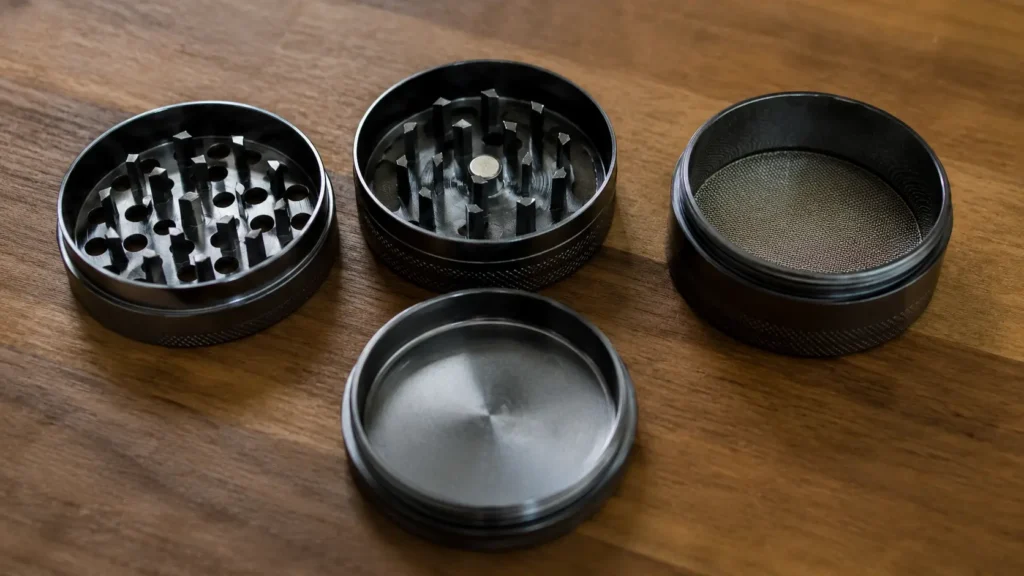
Before cleaning, completely disassemble the grinder. Most cannabis grinders have multiple sections, including the grinding chamber, storage compartment, and kief catcher.
Carefully separate all removable pieces. If there is loose flower or kief inside, gently tap the grinder over a tray or paper surface to collect it before cleaning.
This step also makes it easier to access the grinder’s teeth, corners, and screens.
The Freezer Method for Sticky Grinders
One of the easiest ways to loosen stubborn residue is by placing the grinder in the freezer.
Cold temperatures make sticky resin more brittle and easier to remove. This method is especially useful for grinders with heavy buildup.
How to Use the Freezer Method
Place the grinder pieces in the freezer for around 30 to 60 minutes. Once removed, gently tap the parts over a tray or towel.
Use a small brush, toothpick, or cotton swab to scrape away the hardened residue. Many people also collect the kief and plant material removed during this process. You can save the leftover material to make kief butter, which you can then use for cooking.
If the grinder is still very sticky afterward, you can continue with a deeper cleaning method.
Plastic grinders should be handled carefully after freezing because very cold temperatures can make some plastics more fragile.
Cleaning a Metal Grinder with Isopropyl Alcohol
For metal grinders, isopropyl alcohol is one of the most effective cleaning solutions. It helps dissolve sticky resin and remove residue from difficult areas.
Step-by-Step Alcohol Cleaning Method
Place the grinder pieces inside a sealable plastic bag or glass container. Pour in enough isopropyl alcohol to fully submerge the parts.
Allow the grinder to soak for about 20 to 30 minutes. During this time, the alcohol helps break down resin and plant matter stuck to the grinder.
After soaking, remove the pieces and scrub them gently using a toothbrush or small brush. Pay close attention to the teeth and threads where buildup commonly accumulates.
Once clean, rinse everything thoroughly with warm water to remove any remaining alcohol.
Dry each piece completely before putting the grinder back together. Moisture left inside the grinder can encourage mold growth over time.
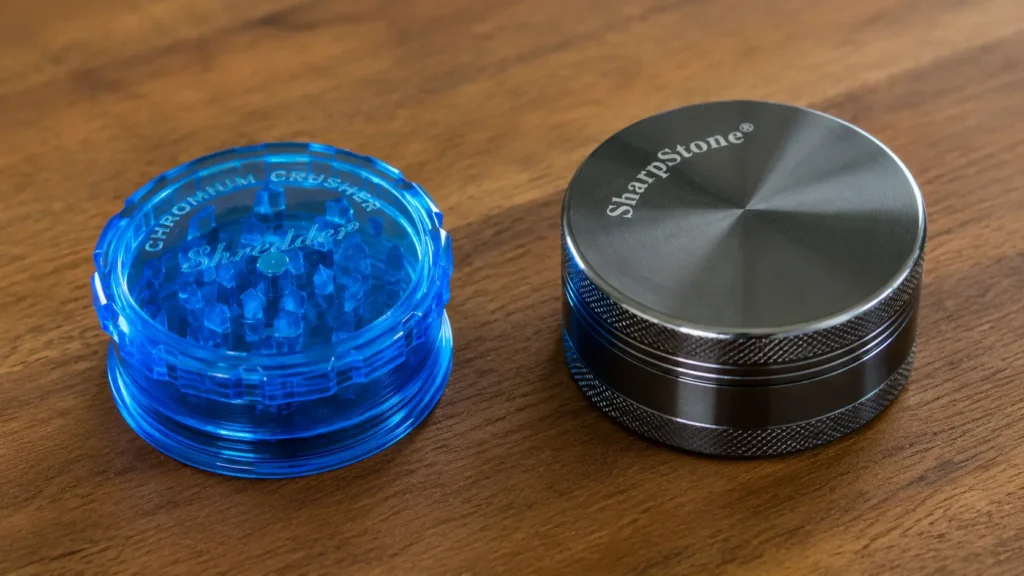
How to Clean a Plastic Grinder
Plastic grinders require a little more care because strong chemicals and very cold temperatures can damage some materials.
Many people avoid using isopropyl alcohol on acrylic or lower-quality plastic grinders because alcohol may weaken or discolor the material.
Instead, warm water and gentle scrubbing are often safer options.
Some people also use a mixture of vinegar, water, and coarse salt to naturally loosen residue. The salt acts as a mild abrasive while the vinegar helps break down buildup.
After cleaning, rinse the grinder thoroughly and allow it to dry fully before use.
Don’t Forget the Kief Catcher
If your grinder has a kief catcher, it’s important to clean the screen carefully.
Over time, fine particles can clog the mesh and reduce airflow between chambers. A soft brush or cotton swab usually works best for cleaning screens without damaging them.
Some users prefer to freeze the grinder before brushing the screen, as this helps loosen trapped kief more easily.
Avoid pressing too hard while cleaning, as delicate screens can bend or tear.
Can You Boil a Grinder?
Some people boil grinders in water or milk to loosen residue. While this method exists, it isn’t suitable for every grinder material.
Metal grinders generally tolerate heat better than plastic or wooden grinders. However, boiling can still damage paint coatings, finishes, or rubber seals in some products.
If you choose to use heat, make sure the grinder manufacturer states that the material can safely tolerate high temperatures.
Common Grinder Cleaning Mistakes
A few simple mistakes can damage your grinder or reduce its lifespan unnecessarily.
Avoid these common issues:
- Don’t reassemble the grinder while it is still wet
- Don’t use harsh metal tools that can scratch the teeth or the screen
- Don’t soak wooden grinders in water or alcohol
- Don’t use bleach or aggressive cleaning chemicals
- Don’t force stuck parts apart aggressively, as this can damage threads
Gentle and regular cleaning usually works better than waiting until the grinder becomes heavily clogged.
How to Keep Your Grinder Cleaner for Longer
Good maintenance can reduce the frequency of deep cleaning.
Try to empty your grinder regularly to prevent large amounts of residue from collecting inside. Brushing loose plant matter away after use can also help prevent sticky buildup.
Storing your grinder in a cool and dry place may help reduce excess moisture and resin accumulation over time.
Many users also notice that very sticky cannabis strains leave behind more buildup than drier flower.
What to Remember About Cleaning a Grinder
Cleaning a cannabis grinder helps maintain smooth grinding, better airflow, and a more consistent smoking or vaping experience. Resin, kief, and plant material naturally build up over time. Still, regular maintenance can prevent the grinder from becoming sticky or clogged.
For most metal grinders, isopropyl alcohol and gentle brushing work very well. Plastic grinders usually require milder cleaning methods to avoid damage.
The most important step is making sure every part is completely dry before reassembly. With occasional cleaning and proper care, a quality grinder can stay in good condition for years.