


In plant breeding, stabilization means making plants more genetically consistent and producing seeds that consistently grow into plants with the same traits. In cannabis, this is often called seeds that “breed true.” This means plants will have similar shapes, growth patterns, and cannabinoid levels.
This idea is linked to homozygosity, in which gene pairs are identical. When this happens, plants show fewer differences among themselves. Over time, both dominant and recessive traits become fixed, which makes the results more predictable.
Landrace cannabis strains are a good example of this. These plants developed naturally in the same environment over many years. Factors such as climate, altitude, and soil remained consistent, helping stabilize their traits. As a result, these plants became more uniform without human involvement.
The Role of Genetics: Variability vs Predictability
Stabilizing cannabis plants depends on basic genetics.
- Genotype: the plant’s genetic makeup
- Phenotype: what you can see, like height, leaf shape, and cannabinoid levels
When you cross two plants, their offspring usually follow a general pattern:
- About 25% may look like one parent
- About 25% may look like the other parent
- About 50% will show a mix of both
When you grow plants from seeds, you may notice these differences between plants, especially in early generations.
However, these ratios only become clear when you grow a large number of plants. In small grows, results can look very different because there aren’t enough plants to show the full range of variation.
This is why population size matters. Larger groups of plants make it easier to spot patterns, choose the best traits, and stabilize them more quickly.
Why Stabilization Is Challenging in Small-Scale Growing
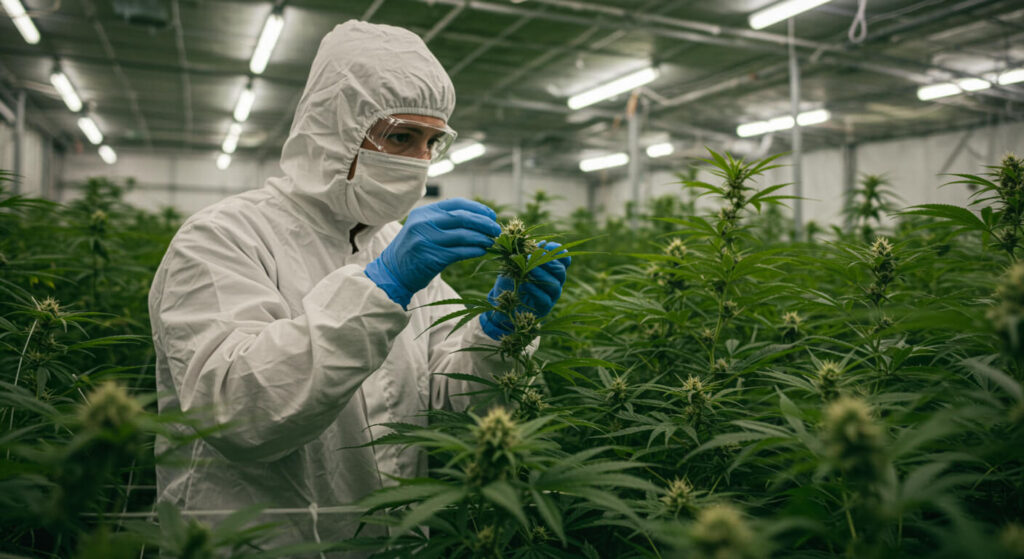
Home growers often face limits that make it harder to stabilize cannabis plants:
- Growing fewer plants means less genetic diversity
- Producing fewer seeds makes it harder to choose the best traits
- Limited space makes it difficult to breed over many generations
From a scientific point of view, small plant populations are more affected by genetic drift. This means some traits become common just by chance, not because they are better.
This can lead to:
- Loss of useful or desirable traits
- Increase in unwanted traits
- Less predictable results in future generations
The smaller your grow, the harder it’ll be to control and stabilize genetics over time.
Selective Breeding and Trait Fixation
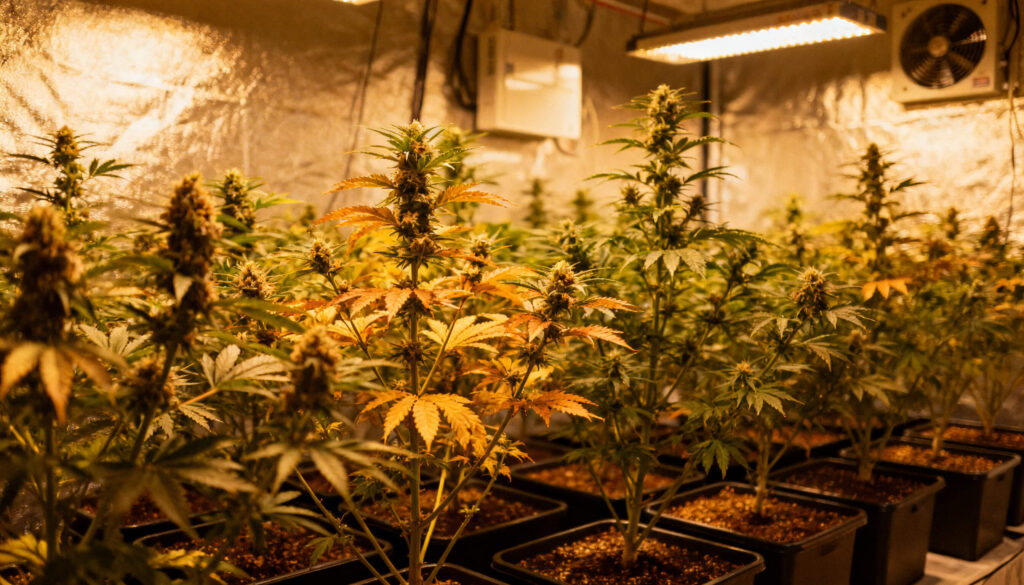
The main way to stabilize cannabis plants is through selective breeding. This means:
- Choosing plants with the traits you want
- Breeding those plants together
- Repeating this process over several generations
This method is widely used in agriculture for crops like corn and wheat.
When selecting cannabis plants, growers usually look at traits such as:
- Growth structure and overall strength
- Leaf shape and size
- Flower density and yield
- Cannabinoid and terpene levels
- By selecting and breeding the right plants over time, these traits become more consistent in future generations.
Backcrossing: Reinforcing Desired Traits
Backcrossing is a method used to stabilize certain traits more quickly. It involves breeding a plant with one of its original parent plants.
The goal of backcrossing is to:
- Strengthen desired traits
- Reduce unwanted differences
- Make new plants more similar to the chosen parent
This method is commonly used in agriculture to improve crops.
However, backcrossing doesn’t remove all variation. It simply increases the chances that the desired traits will appear more consistently in future generations.
Instability and Genetic Recombination
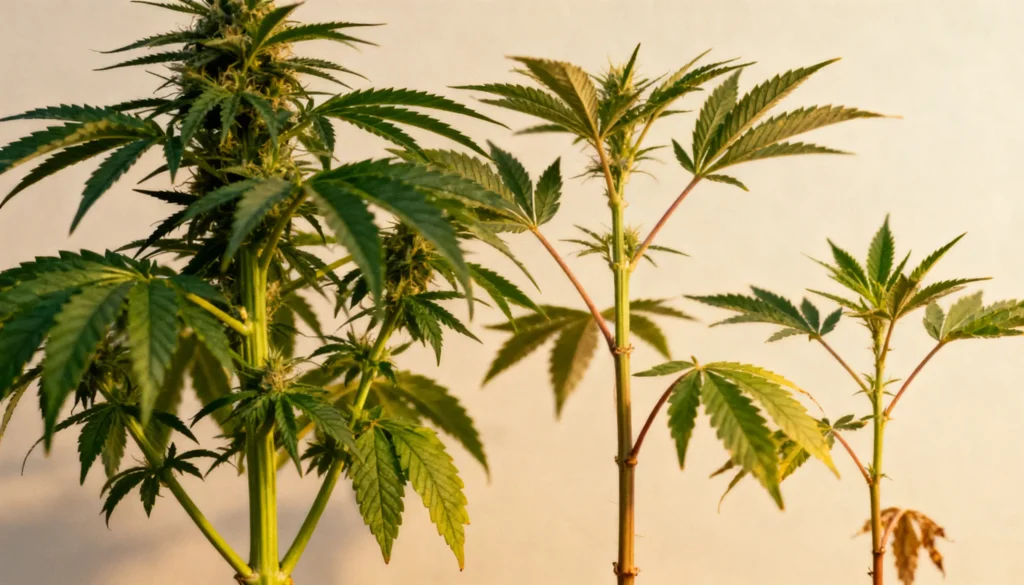
Even in stable cannabis lines, unexpected traits can still appear. This happens through genetic recombination, in which genes mix in new ways during reproduction.
Because of this, you may see:
- Plants that look different from the rest
- Old traits showing up again after many generations
- New traits appearing without warning
These unusual plants, often called “off-types,” are a natural part of how plants reproduce and evolve.
Inbreeding Depression: A Scientific Risk
Breeding plants from a small gene pool over many generations can lead to inbreeding depression, a well-known biological effect.
It can cause:
- Weaker plant growth
- Lower yields
- Higher risk of disease
- Harmful traits becoming more common
When genetic diversity drops, negative traits are more likely to build up and appear in future plants. This is particularly worrisome in cases like micro grows, where there is barely any genetic variance.
Maintaining Genetic Health Through Outcrossing
To reduce the effects of inbreeding, breeders use outcrossing, which involves introducing new genetic material by breeding plants from different lines.
This process increases genetic diversity, which helps improve plant strength and overall health. It also reduces the likelihood that harmful traits will become more common.
Outcrossing is widely used in agriculture to maintain crop health over time. However, it also introduces new variation. Because of this, breeders need several more generations of selection to stabilize the new traits.
Generational Breeding: How Long Does Stabilization Take?
There is no fixed number of generations required to stabilize cannabis seeds, but most breeding programs follow a multi-generation process.
In breeding, each new round of offspring is called a generation:
- F1 (first generation): the direct offspring of the original parent plants. These plants tend to show significant variation.
- F2-F4 (second to fourth generations): plants are bred together and selected based on desired traits. This is where most of the selection work happens.
- F5 and beyond: plants become more consistent, and traits start to stabilize across the population.
As breeding continues, plants become more genetically uniform, as desirable traits are repeatedly selected and reinforced over time.
In many crops, including cannabis, it typically takes around 5 to 7 generations of selective breeding to achieve reliable and predictable results.
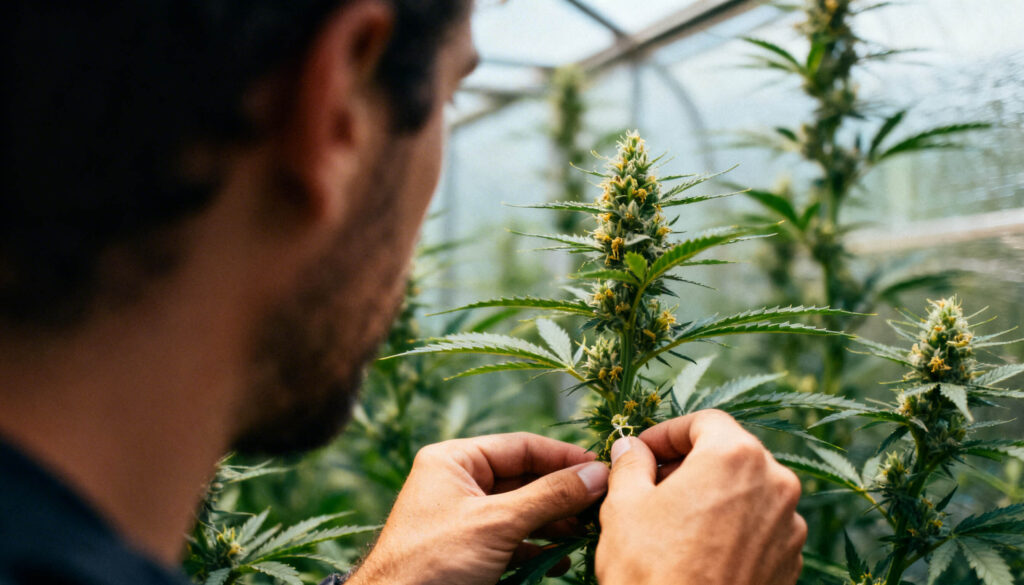
Stabilization Is a Long-Term Genetic Process
Stabilizing cannabis seeds takes time and happens over several generations. It depends on careful selection, the number of plants used, and the number of generations grown. Even in stable lines, some genetic variation is normal and expected.
Breeding too closely within the same line must be managed carefully, as it can weaken plants over time. On the other hand, introducing new genetics through outcrossing can improve plant strength, but it also adds new variation that needs to be stabilized again.
By understanding these principles, you can make better decisions when working with cannabis genetics.